
Excavated earthenware vessel
- Object
- Archaeological ceramic vessel, excavated in the 1970s
- Material
- Low-fired earthenware
- Collection
- The Novium Museum, Chichester
- Scope
- Stabilisation for storage and display
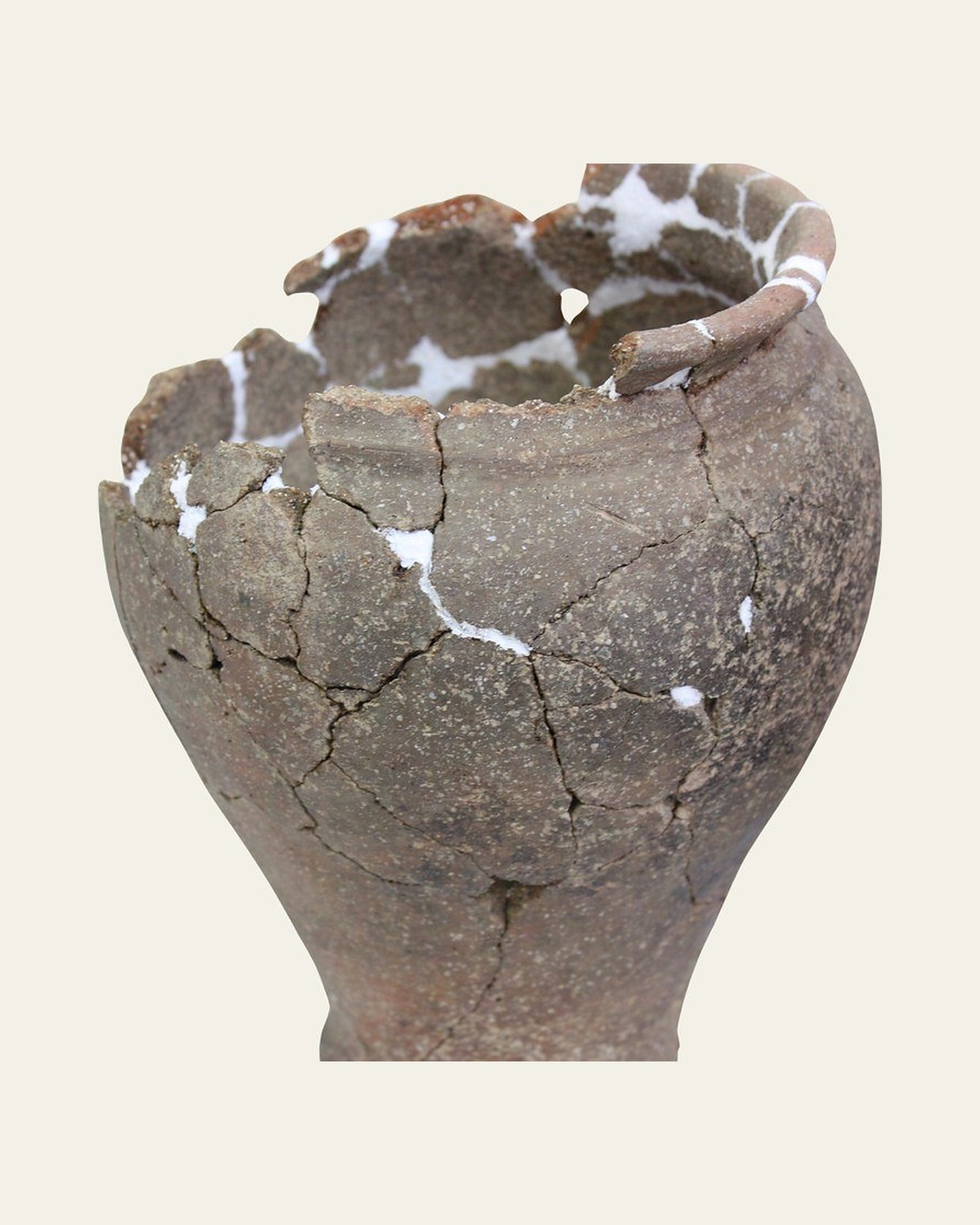
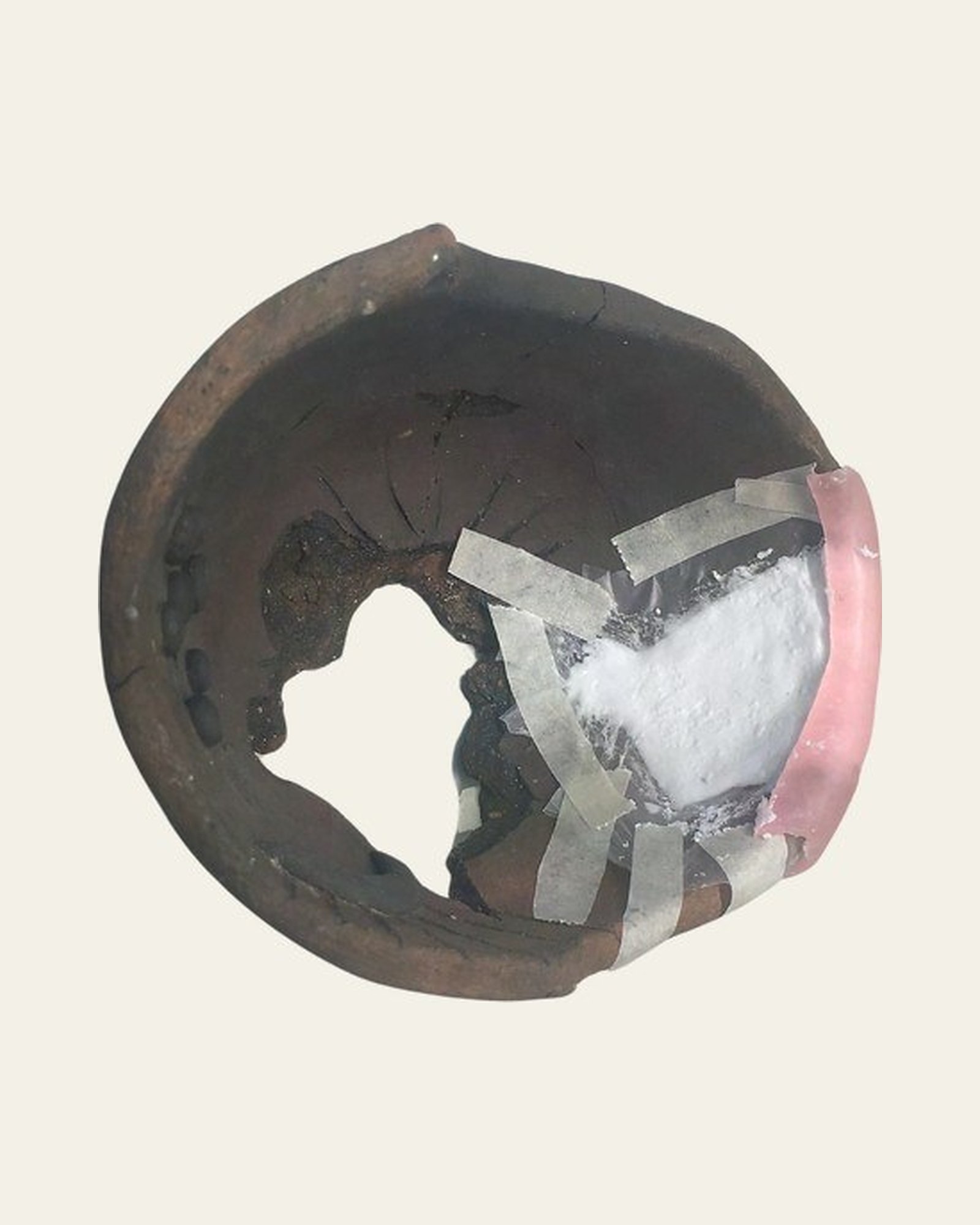
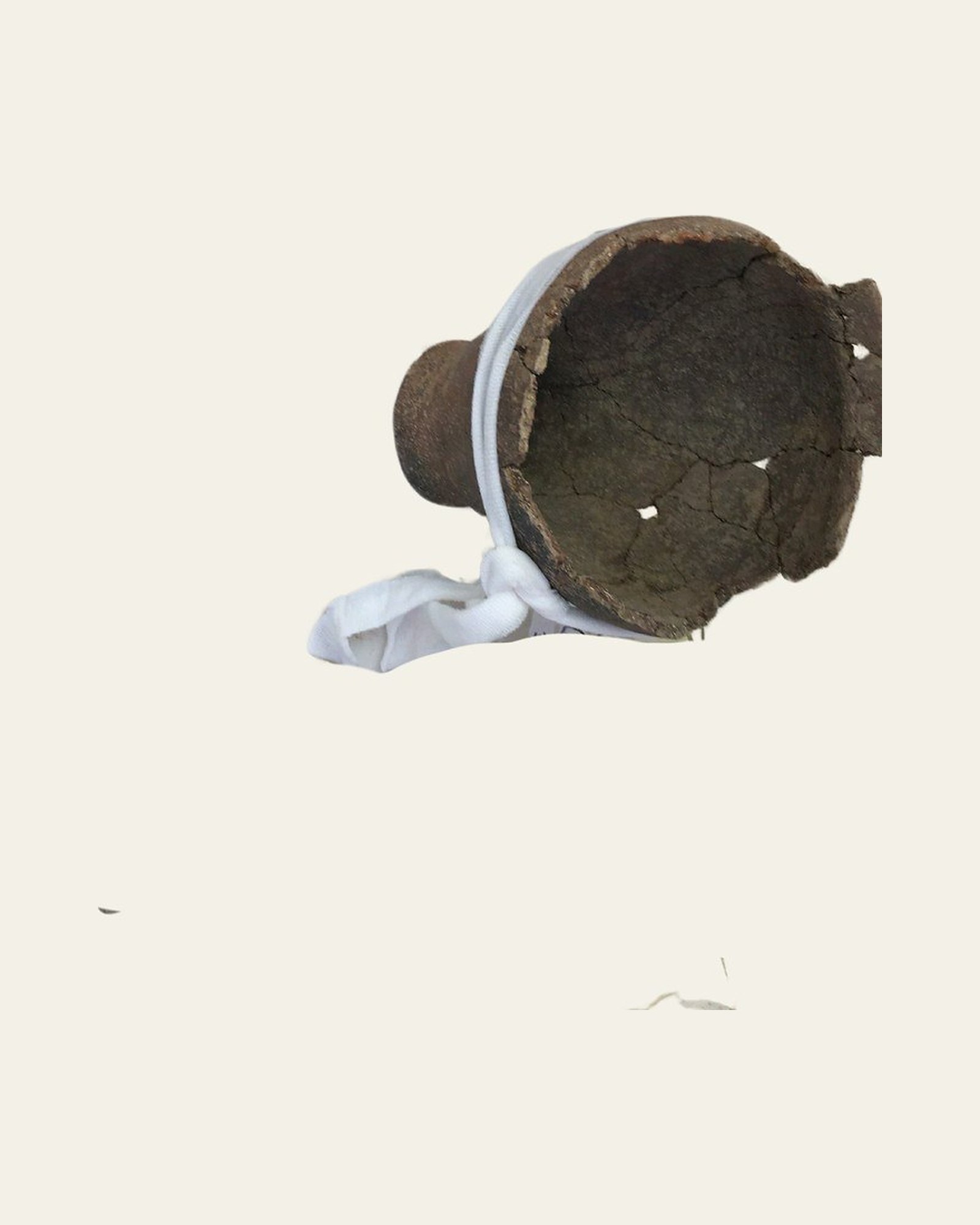
Before
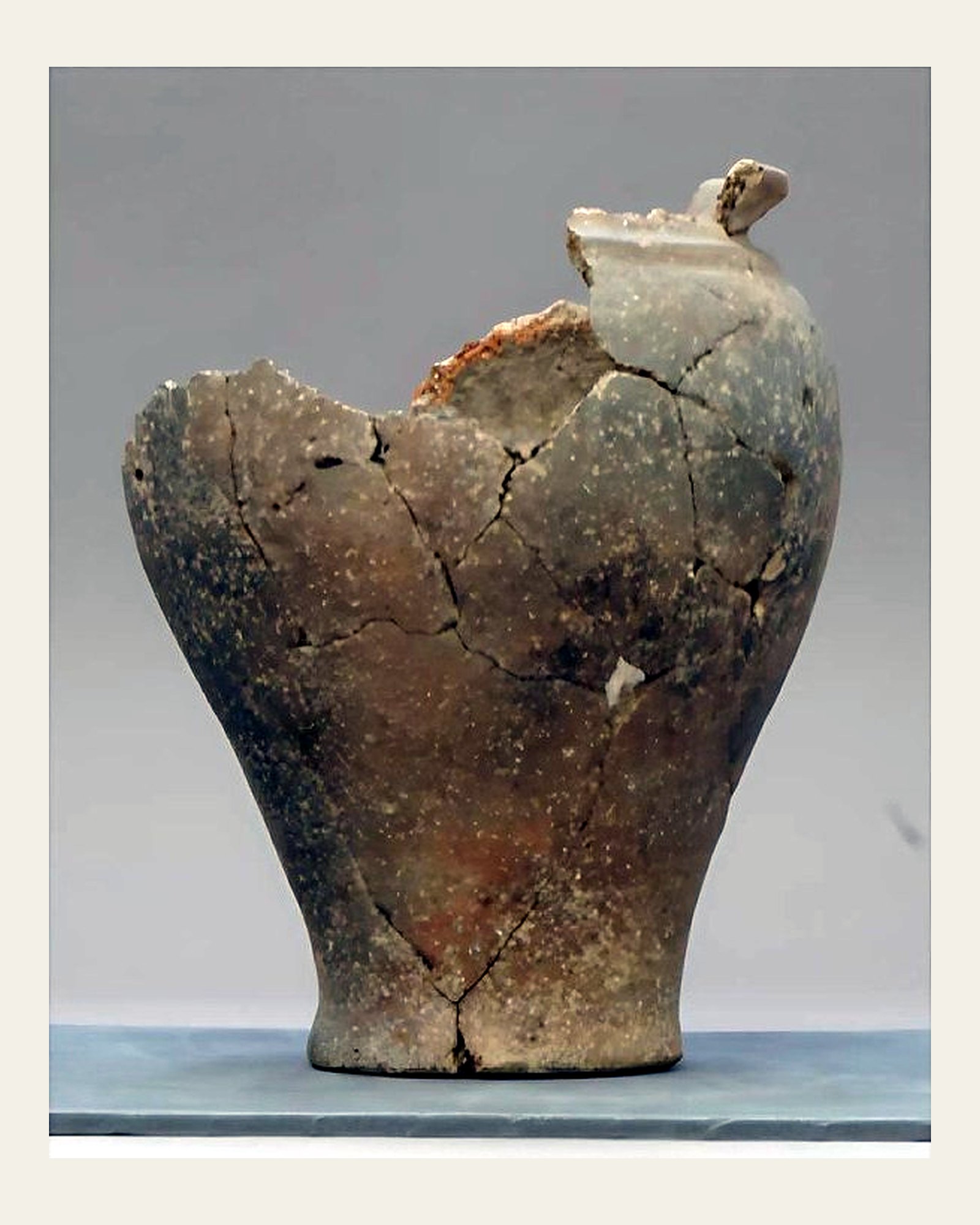
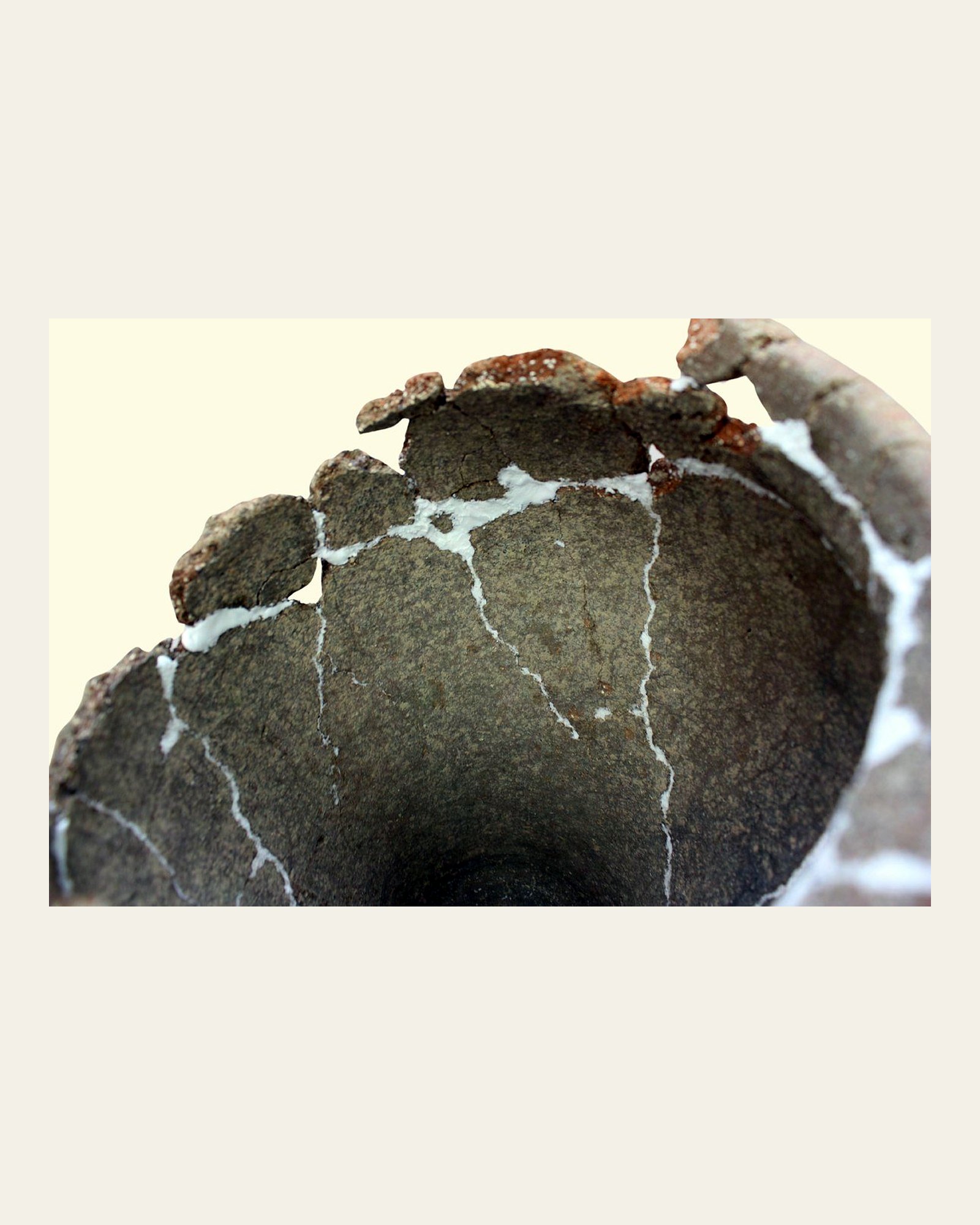
After
Condition
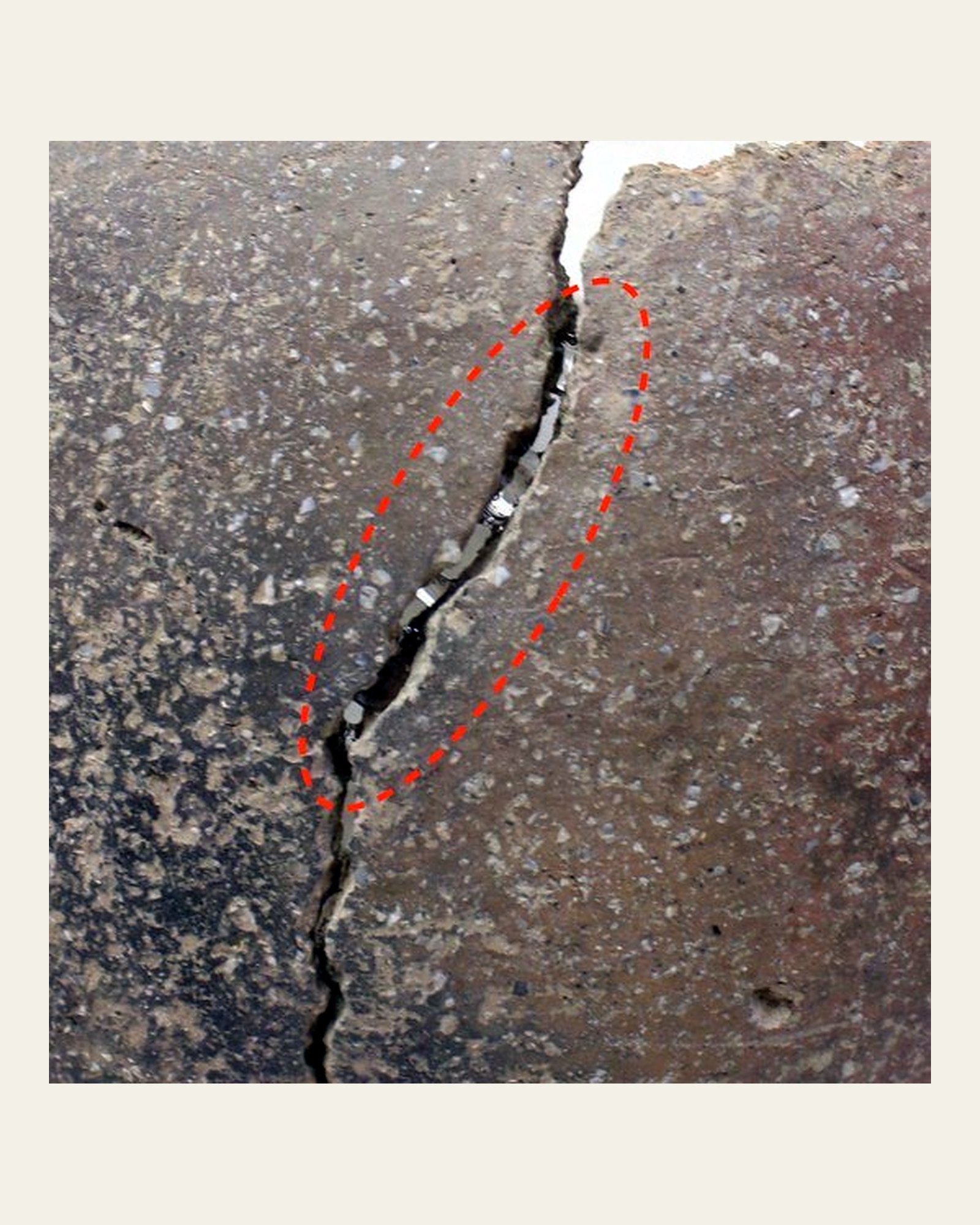
Highly friable body, heavily fragmented, with failing earlier repairs, detached sherds, running cracks and loose joins causing instability.
Treatment
- 01Surface dirt and residues of earlier restoration removed mechanically.
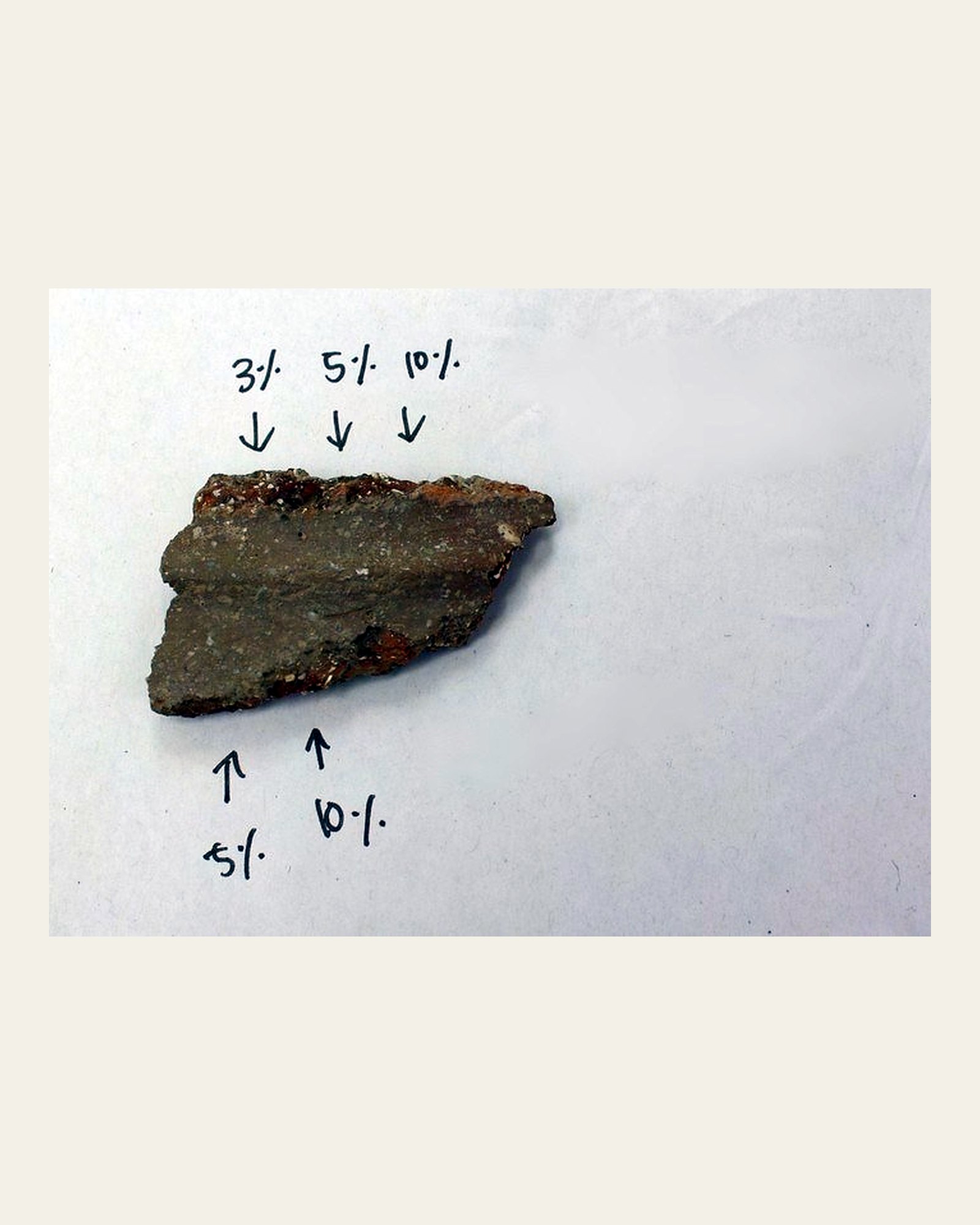
- 02Friable break edges consolidated with 5–10% Paraloid B-72 in acetone.
- 03Loose joins stabilised and detached sherds re-bonded with Paraloid B-72.
- 04Structural gaps filled selectively with a lightweight Paraloid B-72 and glass-microballoon fill.
- 05Excess adhesive and fill removed.
Process
Outcome
A minimal treatment, using reversible or re-treatable materials where possible, that stabilised the vessel while respecting its archaeological context; fills remain visible for transparency.
Photographs: Sujin Jung.